
September 29, 2026
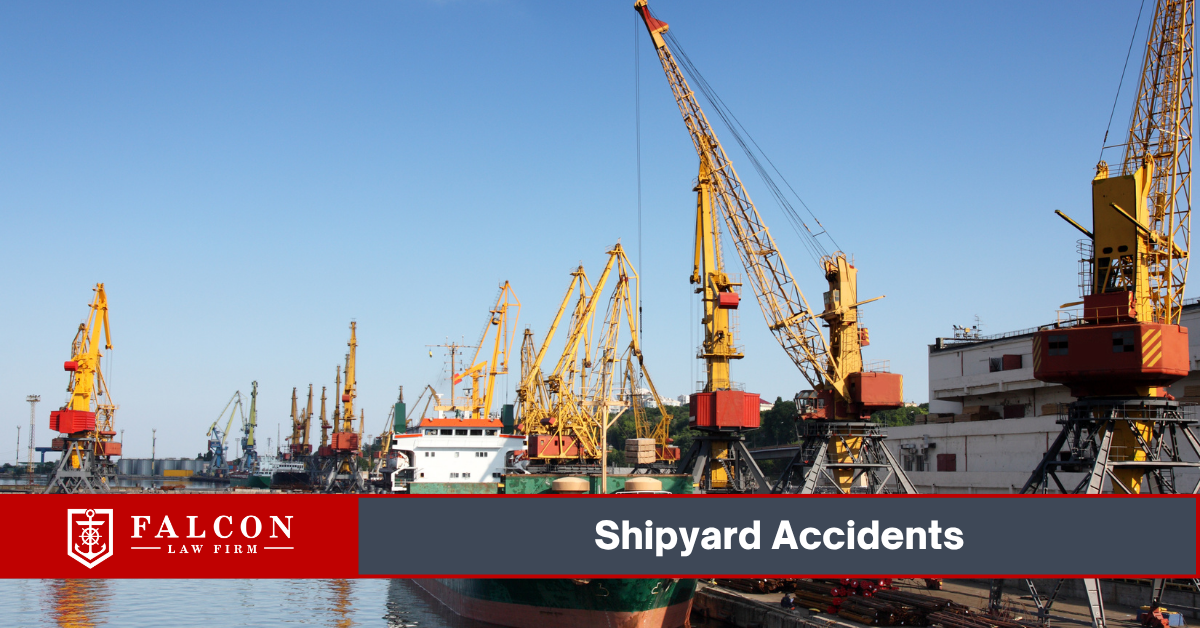
Shipyard Accidents in Jefferson Parish
Rights of Injured Maritime Workers
Shipyard accidents in Jefferson Parish can have life-changing consequences for the skilled workers who help support South Louisiana's maritime economy. Welders, riggers, pipefitters, electricians, crane operators, fabricators, vessel repair technicians, deckhands and other maritime workers perform demanding jobs around vessels, heavy equipment, elevated work areas and industrial materials.
Maritime and shipyard work has long been part of the economic and cultural fabric of Jefferson Parish and the Greater New Orleans region. From the Mississippi River and Harvey Canal to the West Bank's shipyards, docks and industrial facilities, generations of local workers have built careers on and around the water. These are skilled jobs that require experience and teamwork, and the people who perform them deserve to return home safely. This article examines common shipyard hazards, steps workers can take after an accident, and the different laws that may protect an injured maritime worker.
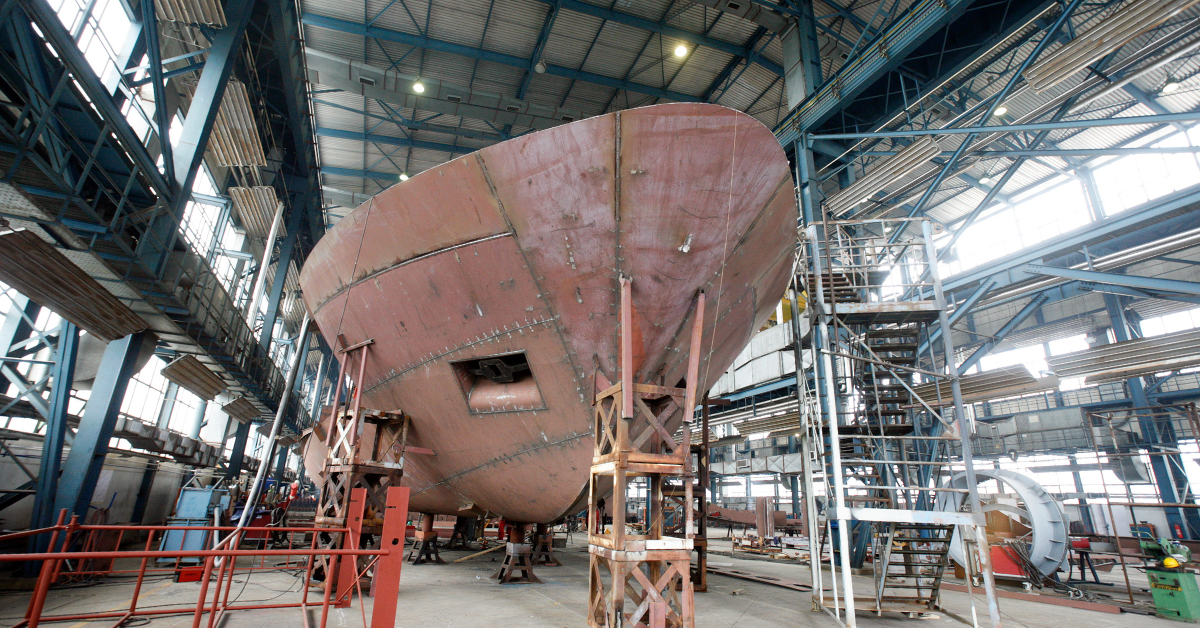
Common Causes of Shipyard Accidents and Maritime Injuries
Shipyard work combines many of the hazards found in construction, manufacturing, transportation and heavy industry, sometimes within the tight confines of a vessel.
The Occupational Safety and Health Administration's shipyard safety resources identify hazards involving falls, confined and enclosed spaces, machinery, welding and cutting, hazardous atmospheres, vessel access and other demanding shipyard operations.
Depending on the job, workers may regularly encounter:
- Cranes, hoists and suspended loads
- Heavy steel, piping and other materials
- Welding and cutting operations
- Ladders, scaffolds and elevated work areas
- Open decks and unguarded edges
- Forklifts and other material-handling equipment
- Engines, machinery and powered tools
- Electrical systems
- Confined and enclosed spaces
- Hazardous fumes, gases and chemicals
- Wet or slippery walking surfaces
- Vessels, barges, docks and waterways
Training, experience, proper equipment and established safety procedures can reduce these risks. But when equipment fails, hazards are not corrected, safety procedures are ignored, or workers are not given the protection they need, the consequences can be devastating.
Falls, Crushing and Caught-Between Accidents
A shipyard worker may perform part of a shift on solid ground, another part aboard a vessel and another on scaffolding, a ladder, temporary decking or an elevated work platform.
OSHA warns that improper access to vessels, dry docks, marine railways and workspaces can expose workers to fall, struck-by and crushing hazards.
A worker could be seriously injured by:
- Falling from scaffolding, ladders or elevated platforms
- Falling through an open deck or unguarded opening
- Falling between a vessel and dock
- Being struck by a suspended or shifting load
- Becoming pinned between equipment and a vessel
- Being caught between a vessel and dock structure
- Being struck by moving machinery or material-handling equipment
- Being crushed by steel, piping, equipment or other heavy materials
These accidents can cause spinal cord injuries, traumatic brain injuries, severe fractures, nerve damage, amputations, internal injuries and other crippling injuries that may prevent someone from returning to the work they have performed for years.
A serious fall or crushing accident can also result in a permanent spinal injury, changing not only a worker's career but nearly every aspect of daily life.
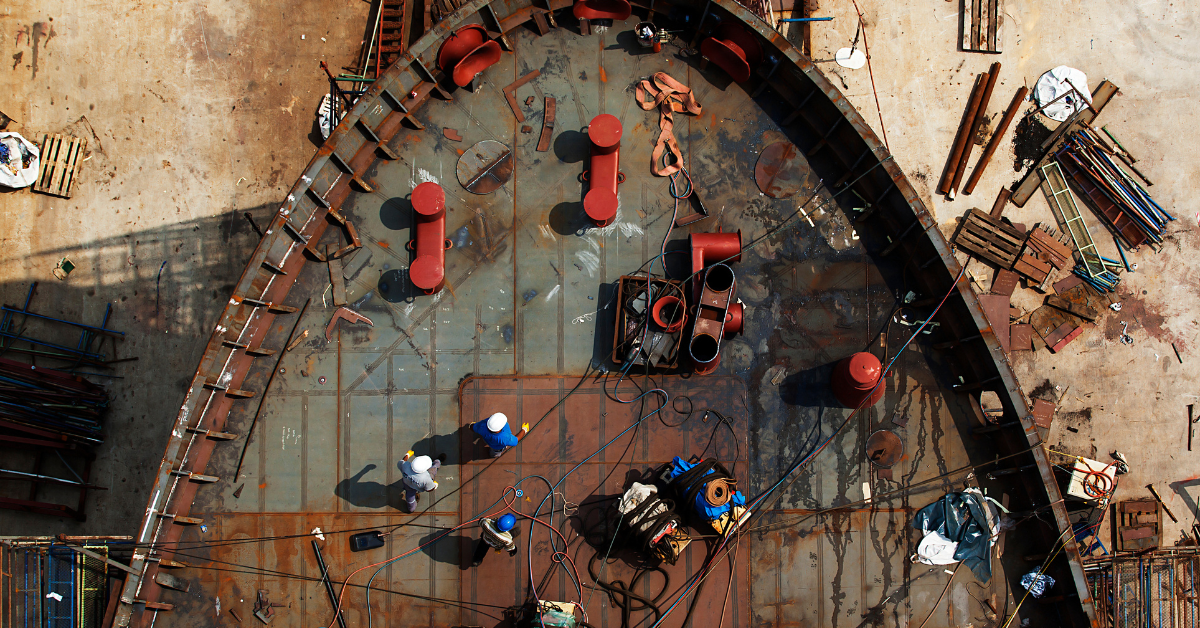
Confined Spaces Can Present Unique Dangers
Some of the most serious hazards in shipyard work may not be immediately visible.
Workers repairing, cleaning, welding or inspecting vessels may need to enter tanks, compartments and other confined or enclosed spaces. These areas can contain oxygen-deficient atmospheres, toxic substances, flammable gases or other dangerous conditions.
According to OSHA's guidance for confined and enclosed spaces in ship repair, these operations have a greater likelihood of causing fatalities, severe injuries and illnesses than other types of shipyard work. Proper atmospheric testing, ventilation, safe entry procedures, monitoring and rescue planning can therefore be critical.
The danger can become even greater when welding, cutting or other hot work is performed in a confined space. Fire, explosion, toxic fumes and limited means of escape can turn an unsafe condition into an emergency very quickly.
Workers should receive appropriate training and should never be expected to enter a potentially dangerous confined space without the required safety precautions.
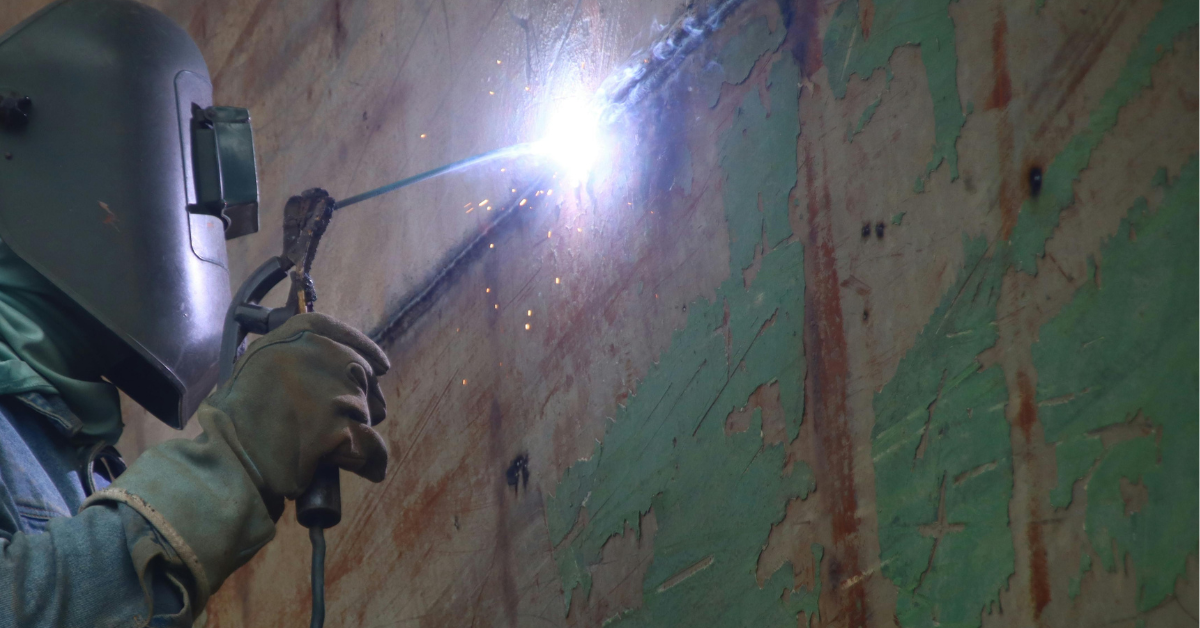
Welding, Cutting, Machinery and Tool Injuries
Welding, cutting and fabrication are essential parts of building and repairing vessels. They can also expose workers to intense heat, sparks, electrical hazards, ultraviolet radiation, fumes and the possibility of fire or explosion.
Shipyard workers may also operate grinders, saws, drills, presses and other powered equipment capable of causing severe injuries when equipment is defective, improperly guarded or inadequately maintained.
Serious accidents may result in:
- Burns
- Eye injuries
- Electrocution
- Severe lacerations
- Hand and finger injuries
- Amputations
- Hearing damage
- Respiratory injuries
- Permanent nerve or muscle damage
Workers need properly maintained equipment, appropriate personal protective equipment and training that reflects the actual hazards of the job.
Toxic Exposure Can Cause Injuries That Develop Over Time
Not every serious maritime or shipyard injury happens in a single accident.
Shipbuilding and vessel repair can expose workers to welding fumes, solvents, paints, coatings, fuels, dust and other hazardous substances. Depending on the work being performed and the materials involved, workers may also encounter substances such as asbestos, lead, silica or other potentially harmful contaminants.
Some occupational illnesses may not become apparent until months or years after exposure.
That makes documentation especially important. Workers who believe they have been exposed to a dangerous substance should report the exposure, seek appropriate medical evaluation and maintain records concerning where and when the exposure occurred.
When an occupational illness or serious medical condition may be connected to hazardous substances encountered at work, Falcon Law Firm's Toxic Exposure resource provides additional information about potential legal claims.
How Shipyard Workers Can Reduce Their Risk of Injury
Workers cannot eliminate every workplace hazard themselves. Employers, vessel owners, contractors and other companies involved in maritime operations may have important safety responsibilities.
Workers can still play an important role in protecting themselves and their coworkers by:
- Following established safety and lockout procedures
- Using required fall protection and personal protective equipment
- Inspecting tools and equipment before use
- Staying clear of suspended loads
- Following proper rigging procedures
- Using safe vessel-access equipment
- Following confined-space entry procedures
- Reporting damaged equipment and unsafe conditions
- Keeping work areas and access routes clear when possible
- Participating in required safety training
- Asking for clarification when a task or procedure is unsafe or unclear
Production schedules and deadlines should never require workers to ignore serious safety hazards.
What to Do After a Shipyard Accident in Jefferson Parish
The moments and days following a serious shipyard accident can become important later. If you are able to do so, consider taking steps such as:
- Report the accident promptly through the appropriate workplace procedures.
- Seek medical attention and accurately describe how the injury occurred.
- Photograph the accident area or equipment if it can be done safely.
- Identify coworkers or other people who witnessed what happened.
- Keep copies of incident reports, medical records and work restrictions.
- Save communications concerning the accident or your injuries.
- Make a personal record of prior complaints about equipment or safety conditions that may be relevant.
- Keep your description of the accident accurate and factual, and avoid speculating about causes or responsibility when you do not yet have all of the information.
Falcon Law Firm's Workplace Injury page provides additional information about steps injured Louisiana workers can take following an on-the-job accident.
Evidence can disappear quickly after an industrial accident. Equipment may be repaired or returned to service, vessels may leave the area, workspaces may change, and surveillance footage or electronic information may not be retained indefinitely.
Seeking legal advice early can help determine what evidence should be preserved and which companies or individuals may need to be investigated.
Which Law Protects an Injured Shipyard or Maritime Worker?
This is one of the most important—and sometimes most complicated—questions following a maritime accident.
Two people may work in the same maritime industry and suffer similar injuries but have different legal rights depending on what they do, where they work and their relationship to a vessel.
Maritime and admiralty law is a distinct body of law governing many activities involving vessels, navigable waterways and maritime commerce. Falcon Law Firm explains this area of law in greater detail in Admiralty Law – The Law of the Sea.
Several different legal systems may potentially apply to an injured maritime worker.
The Jones Act
The Jones Act can provide important protections for qualifying seamen who are injured in the course of their employment.
Whether someone qualifies as a seaman does not depend simply on a job title. A worker's duties must contribute to the function or mission of a vessel, and the worker must have a connection to a vessel in navigation—or an identifiable group of vessels—that is substantial in both its duration and nature.
Courts also consider how much of the worker's employment is spent in service of a vessel. In Chandris, Inc. v. Latsis, the U.S. Supreme Court described approximately 30% as a useful rule of thumb in an ordinary case when evaluating the duration of that connection. The Court emphasized, however, that 30% is a guideline rather than an absolute rule and that seaman status depends on the specific facts of the worker's employment. Readers interested in the legal standard can review the U.S. Supreme Court's Chandris decision.
Falcon Law Firm discusses the Jones Act and other laws that may protect workers on vessels and offshore facilities in Injured Offshore Workers in Louisiana.
Longshore and Harbor Workers' Compensation Act
Many shipyard, dock and other shoreside maritime employees may instead be covered by the Longshore and Harbor Workers' Compensation Act (LHWCA).
The LHWCA is a federal law that can provide compensation, medical care and vocational rehabilitation benefits to qualifying workers injured on navigable waters or in certain adjoining areas used for activities such as loading, unloading, repairing or building vessels.
Deadlines under the LHWCA are important. According to the U.S. Department of Labor's LHWCA guidance, an injured worker generally must provide written notice of an injury to the employer within 30 days and file a written claim with the Office of Workers' Compensation Programs within one year after the injury.
These time periods are not absolute in every situation. Different provisions can apply to occupational diseases, voluntary compensation payments and certain circumstances involving late notice or filing. Workers should therefore avoid assuming that a missed deadline automatically determines whether a claim exists—or that the general deadlines applicable to another type of injury apply to a maritime claim.
Whether the Jones Act, LHWCA, Louisiana workers' compensation law or another body of law applies can depend heavily on the individual worker's circumstances.
That is one reason serious maritime injuries should be evaluated based on the actual facts rather than assumptions about coverage based solely on a worker's job title.
Can Someone Other Than Your Employer Be Responsible?
Workers' compensation or maritime benefits may not always be the only potential source of recovery following a serious accident.
Shipyards and other maritime operations frequently involve multiple companies working in the same location. Depending on what happened, an accident could involve:
- A vessel owner
- An equipment manufacturer
- A maintenance or repair company
- A property owner
- A general contractor or subcontractor
- A crane or rigging company
- Another employer working at the site
- The manufacturer or supplier of defective machinery or safety equipment
If the negligence of a company other than your employer contributed to the accident, a separate personal injury claim may be possible.
Identifying those parties may require examining contracts, maintenance records, equipment records, witness statements, photographs, video, safety documentation and other evidence surrounding the accident.

When a Maritime or Shipyard Accident Results in Death
Some shipyard accidents are fatal.
When a worker dies in a vessel, shipyard, dock or other maritime accident, surviving family members may have rights under federal maritime law, the Jones Act, the LHWCA, Louisiana law or other laws depending on the circumstances.
A wrongful death claim may also be possible when another party's negligence or wrongdoing contributed to a worker's death.
Because the laws governing fatal maritime accidents can differ substantially depending on where and how the accident occurred, determining which law applies is an important early step.
Falcon Law Firm's Experience With Maritime Workers
Falcon Law Firm's connection to maritime workers is more than a practice area.
Before becoming an attorney, Timothy J. Falcon worked on the Mississippi River, beginning as a tugboat deckhand at age 16 and later working as a dock operator and U.S. Coast Guard-licensed tankerman while attending college and law school. His older brother, Kenneth, was killed in an accident aboard a tugboat in the Harvey Canal in Jefferson Parish. Tim's firsthand experience with maritime work—and his family's experience with a fatal maritime accident—helped shape the direction of his legal career. You can learn more about that background in Falcon Law Firm's history.
Falcon Law Firm has since represented people injured or killed while working on boats and offshore platforms for more than three decades. The firm's Maritime Law practice includes matters involving the Jones Act, the Longshore and Harbor Workers' Compensation Act and other areas of maritime and admiralty law.
Falcon Law Firm's maritime experience has also included a case argued before the United States Supreme Court, American Dredging Co. v. Miller. Before publication, Falcon Law Firm should review the wording of any discussion of the outcome of a prior case and determine whether its standard attorney-advertising disclaimer should accompany it.
That combination of firsthand maritime work and decades of legal experience gives Falcon Law Firm a perspective on maritime injuries that extends beyond the courtroom.
Frequently Asked Questions About Shipyard Accidents
Is every shipyard worker covered by the Jones Act?
No. The Jones Act protects qualifying seamen, and whether a worker qualifies depends on the nature of the worker's duties and connection to a vessel or identifiable fleet of vessels. Many land-based shipyard and dock workers may instead fall under the LHWCA.
What is the LHWCA?
The Longshore and Harbor Workers' Compensation Act is a federal law providing certain benefits to qualifying maritime employees who are injured on navigable waters or in adjoining areas used for maritime activities such as shipbuilding, ship repair, loading and unloading.
How long do I have to report a shipyard injury under the LHWCA?
The U.S. Department of Labor states that an injured worker generally must provide written notice to the employer within 30 days. A written claim generally must be filed with OWCP within one year after the injury. Exceptions and different rules can apply depending on the circumstances.
Can I have a claim against someone other than my employer?
Possibly. Shipyard operations often involve vessel owners, contractors, equipment manufacturers and other companies. If another party contributed to an accident, additional legal claims may be available depending on the circumstances.
Protecting Your Future After a Serious Maritime or Shipyard Injury
Spinal cord injuries, traumatic brain injuries, amputations and other permanently disabling or crippling injuries can affect far more than a maritime worker's ability to return to the job. They can change a person's independence, financial security, family responsibilities and quality of life.
If you have been seriously injured in a shipyard accident or while working aboard a vessel, at a dock or in another maritime environment, understanding which laws apply to your situation is an important first step.
Legal deadlines can also vary depending on the type of claim involved. Falcon Law Firm's guide to Louisiana's personal injury statute of limitations explains deadlines applicable to Louisiana personal injury claims. Maritime claims may be governed by different federal or maritime deadlines, making it important to determine which law applies rather than assuming a general personal injury deadline controls your case.
You may also have questions about compensation, attorney fees, the legal process or what happens after you contact a lawyer. Falcon Law Firm's Louisiana Personal Injury FAQs answer many common questions injured people and their families have when considering their options.
Maritime and shipyard workers perform difficult, skilled work that remains important to Jefferson Parish and South Louisiana. When one of those workers is seriously injured, that worker deserves to understand the protections the law may provide.
If a shipyard accident in Jefferson Parish or another serious maritime injury has changed your life or the life of someone in your family, contact Falcon Law Firm to discuss what happened and learn what legal options may be available.
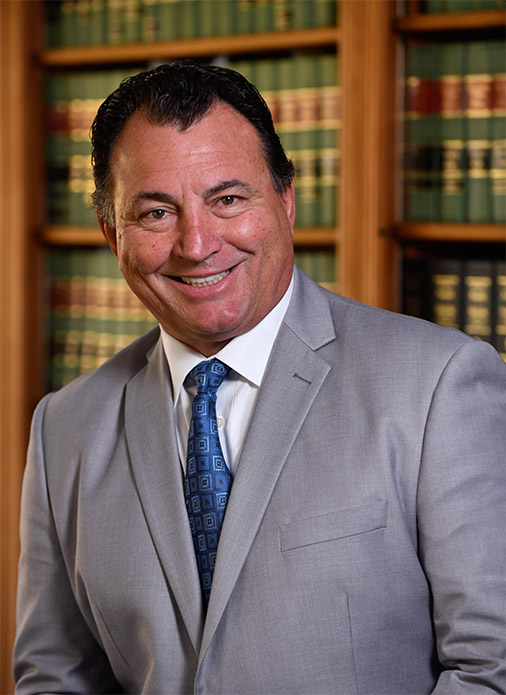
Meet Our Founder - Timothy J. Falcon
If you are an injured transportation and logistics workers in Jefferson Parish, contact Timothy J. Falcon today. Mr. Falcon has successfully settled and tried cases that resulted in numerous settlements or judgments over the million dollar mark. In 1994, he successfully argued an important federal maritime case in front of the United States Supreme Court. He possesses years of experience in the field of personal injury, making him an expert when it comes to fighting for the rights of those who have been wronged by corporate entities. You can call Mr. Falcon’s office directly at (504)341-1234. You can also contact us via email at our contact us page.