
August 17, 2026
Injured Transportation and Logistics Workers in Jefferson Parish
Your Rights After a Serious Workplace Accident
Jefferson Parish sits at the heart of one of the South's largest transportation networks. According to the Jefferson Parish Economic Development Commission (JEDCO), the parish is connected by six Class I rail lines, major highways, navigable waterways, air cargo facilities, deepwater access, and an extensive network of motor freight carriers. This infrastructure supports a significant local workforce in trucking, warehousing, shipping, distribution, and logistics.
Every day, truck drivers, warehouse workers, forklift operators, shipping and receiving personnel, and loading dock workers keep goods moving throughout Jefferson Parish and the Greater New Orleans region. Their jobs often require them to work around commercial vehicles, forklifts, heavy equipment, machinery, elevated loading docks, and thousands of pounds of freight.
Transportation and logistics employees face many of the hazards associated with other serious workplace injuries, but the combination of commercial vehicles, moving machinery, heavy freight, and loading operations creates additional risks. When something goes wrong, an accident can result in permanent, life-changing injuries.
For injured transportation and logistics workers in Jefferson Parish, understanding what caused an accident—and who may be legally responsible—can be an important part of protecting their future.
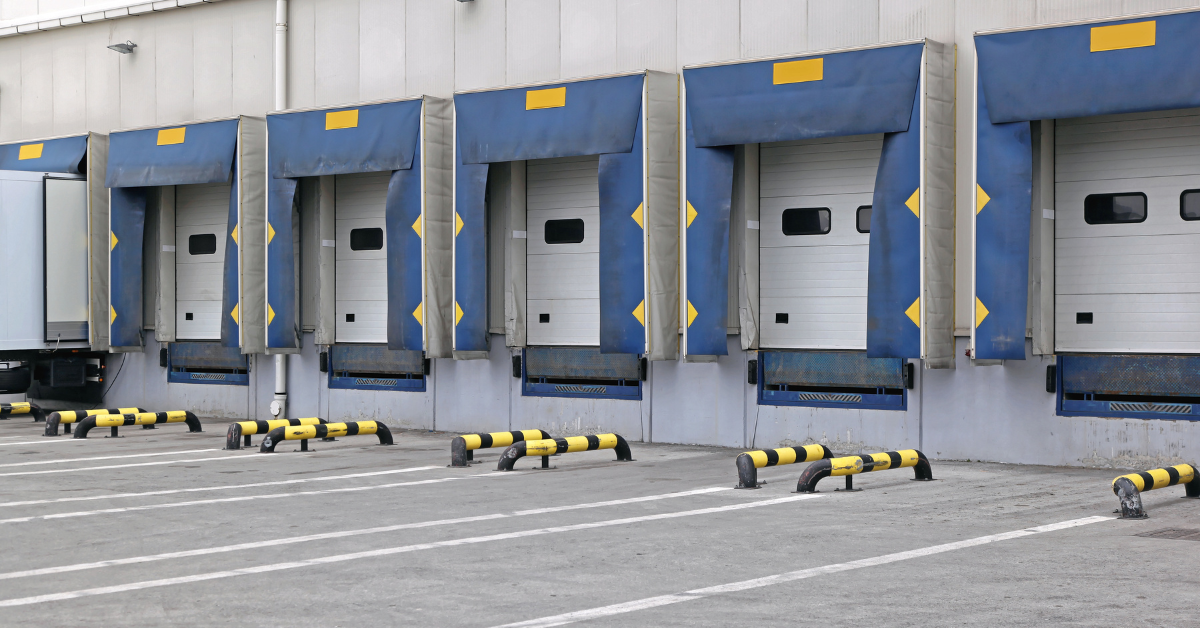
Transportation and Logistics Workplace Hazards
A busy warehouse, distribution center, loading dock, or transportation facility can have people, vehicles, machinery, and freight moving simultaneously.
Common hazards include:
- Commercial trucks entering and leaving loading areas
- Forklifts operating near workers on foot
- Heavy or improperly secured freight
- Loading and unloading operations
- Elevated loading docks
- Pallet racks and stacked materials
- Conveyor and material-handling equipment
- Wet, damaged, or obstructed walking surfaces
- Poorly maintained vehicles or machinery
A momentary mistake, equipment failure, or unsafe condition can result in an accident with permanent consequences.
Commercial Vehicle Accidents Can Cause Catastrophic Injuries
Truck drivers and other transportation employees spend much of their working lives on the road. Even experienced professional drivers can be seriously injured because of another driver's negligence, improperly loaded cargo, defective vehicle components, inadequate vehicle maintenance, or collisions involving commercial vehicles.
Serious commercial vehicle accidents may result in:
- Spinal cord injuries
- Traumatic brain injuries
- Multiple fractures
- Crush injuries
- Internal injuries
- Amputations
- Permanent disability
A crash that occurs while someone is working may present legal questions that do not exist in an ordinary workplace injury. Depending on how the accident occurred, workers' compensation, automobile insurance, commercial liability coverage, and claims against negligent third parties may all need to be considered.
Commercial trucking accidents can be especially complex because responsibility may extend beyond the person behind the wheel. Falcon Law's trucking accident lawyers investigate whether commercial drivers, trucking companies, cargo loaders, vehicle manufacturers, maintenance contractors, or other parties contributed to a serious collision.
Identifying those parties and preserving evidence can become particularly important when an accident results in permanent disability or extensive medical treatment.
Forklift Accidents Can Be Devastating
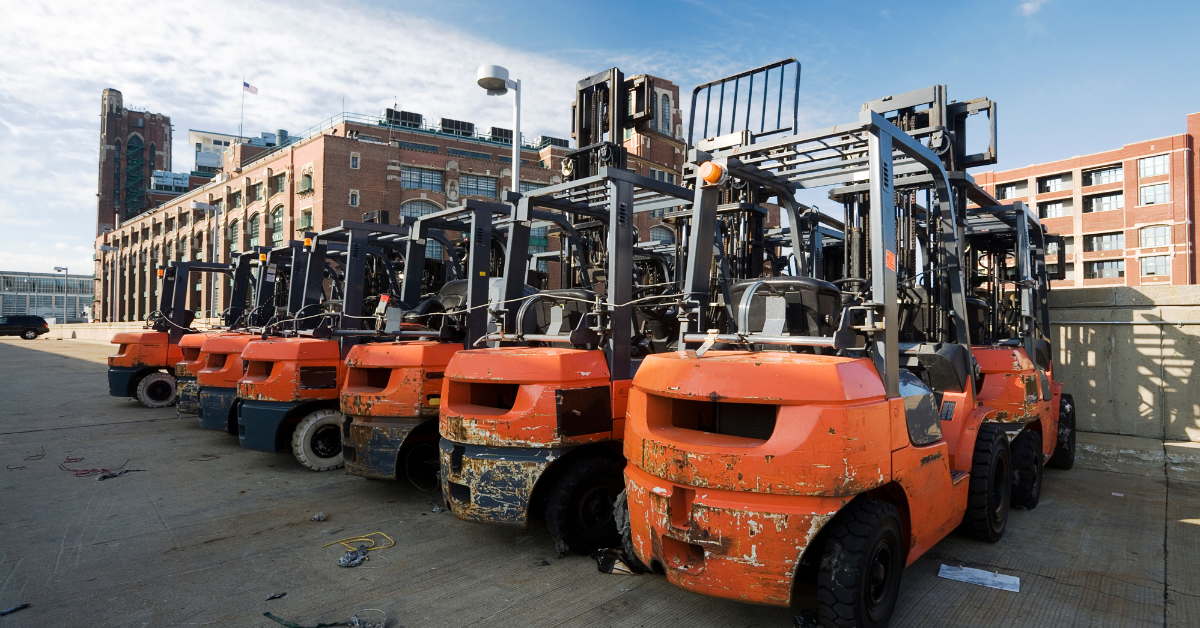
Forklifts are essential equipment in warehouses, distribution centers, shipping facilities, and loading areas, but their size and weight can make an accident extremely dangerous.
Workers can be injured when a forklift:
- Strikes a pedestrian
- Overturns
- Pins someone against a wall, rack, trailer, or other equipment
- Drops or destabilizes a load
- Falls from a loading dock
- Is operated by someone without adequate training
- Malfunctions because of inadequate maintenance or a defective component
Forklift accidents can cause broken bones, spinal injuries, traumatic brain injuries, amputations, and severe crush injuries.
Employers and facility operators should ensure that forklift operators receive appropriate training and that equipment is properly inspected and maintained. Traffic patterns should also be designed to reduce dangerous interactions between forklifts and workers on foot.
Loading Dock Accidents Present Unique Risks
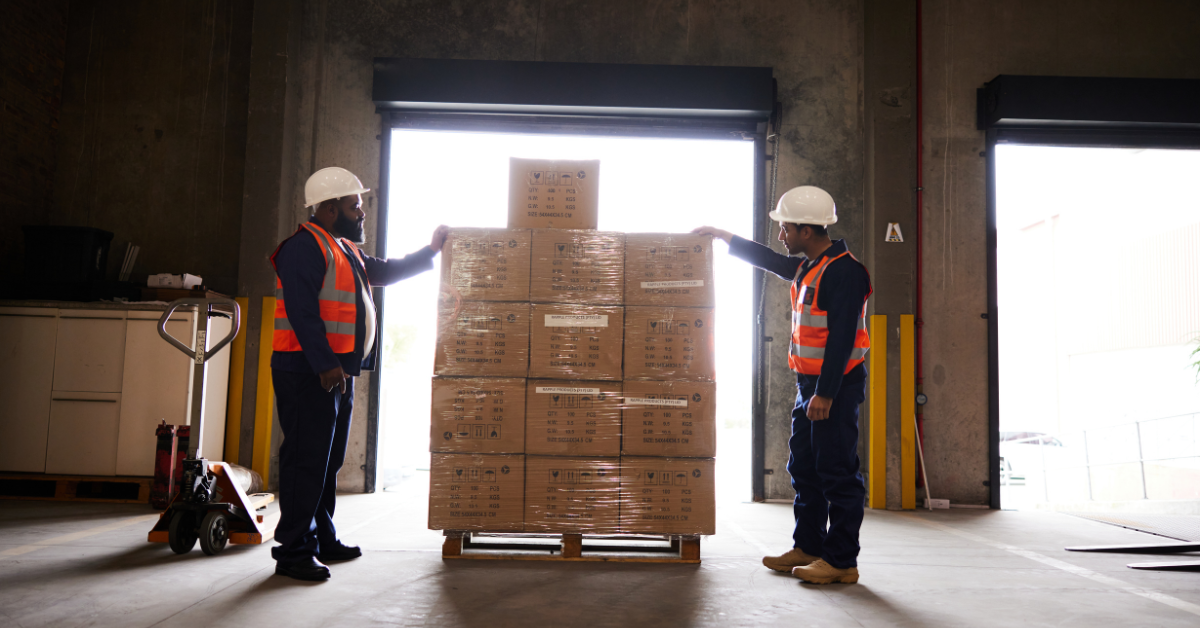
Loading docks bring together trucks, trailers, forklifts, pallet jacks, freight, and workers in a relatively confined area. That combination creates several opportunities for serious accidents.
Loading dock workers may be injured because of:
- Falls from elevated docks
- Unexpected trailer movement
- Forklift accidents
- Unsecured or shifting cargo
- Falling freight
- Defective dock plates or levelers
- Poor lighting
- Slippery surfaces
- Workers becoming trapped between vehicles, trailers, docks, or equipment
Communication between drivers, warehouse personnel, and loading crews is critical. Procedures for securing trailers and coordinating loading and unloading operations can help prevent devastating accidents.
Crush Injuries Can Permanently Change a Worker's Life
Few workplace accidents demonstrate the dangers of transportation and logistics work as clearly as a crush accident.
A worker may become pinned between a forklift and a wall, trapped between a truck and loading dock, struck by falling freight, or caught in machinery.
Crush injuries can damage multiple parts of the body simultaneously and may result in:
- Severe fractures
- Internal organ damage
- Nerve injuries
- Spinal cord damage
- Amputation
- Permanent loss of mobility
- Long-term disability
Some of these accidents result in the type of crippling injuries that affect virtually every aspect of a worker's life. A serious spinal injury, for example, may prevent an employee from ever returning to the physical work they performed before the accident.
These injuries can affect far more than a person's career. Permanent mobility limitations, ongoing medical treatment, rehabilitation, and the need for assistance with everyday activities can create significant physical, emotional, and financial challenges for an injured worker and their family.
How Workers Can Reduce Their Risk of Injury
Many workplace accidents can be prevented when employees have appropriate equipment, training, staffing, and safety procedures.
Workers should:
- Complete required training before operating forklifts or other powered equipment.
- Use seat belts and other required safety equipment.
- Follow established pedestrian and vehicle traffic patterns.
- Never walk beneath suspended or unstable loads.
- Confirm that trailers are properly secured before loading or unloading begins.
- Use appropriate dock plates, levelers, wheel restraints, and other safety equipment.
- Follow safe lifting procedures and use mechanical assistance when appropriate.
- Report damaged forklifts, trailers, racks, dock equipment, or other machinery.
- Report unsafe walking surfaces, poor lighting, or obstructed work areas.
- Avoid bypassing safety procedures simply to load, unload, or move freight more quickly.
Production schedules and delivery deadlines should never take priority over worker safety.
What If You Were Not Given Proper Equipment or Training?
Workers cannot use safety equipment they were never provided or follow procedures they were never taught.
If you are injured and believe inadequate training, defective equipment, poor maintenance, or an unsafe workplace contributed to the accident, documentation can become extremely important.
After an accident:
- Report the injury promptly according to your employer's procedures.
- Seek appropriate medical attention.
- Describe accurately how the accident occurred and every area of your body that was injured.
- If it is safe and appropriate, photograph the accident scene, equipment, vehicle, freight, or hazardous condition.
- Preserve copies of incident reports and other accident documentation available to you.
- Write down the names of witnesses.
- Keep copies of medical records, work restrictions, and communications concerning the injury.
- Make a personal record of any previous equipment problems or safety concerns you had reported.
- Do not speculate about who was at fault. Document what you actually saw and experienced.
Falcon Law's Workplace Injury resource page provides additional information about steps injured Louisiana workers should take after an accident, including promptly reporting an incident and documenting medical treatment.
In serious accidents, physical evidence can disappear quickly. Vehicles are repaired, freight is moved, surveillance footage may be overwritten, and equipment can return to service. Obtaining legal advice early may help identify and preserve evidence that could become important later.
Is Workers' Compensation Your Only Option?
Not necessarily. Workers' compensation may provide benefits after an on-the-job injury, but transportation and logistics operations frequently involve multiple companies and parties working in the same environment.
Depending on the circumstances, a serious accident could involve:
- Another commercial driver
- A trucking company other than your employer
- A warehouse or property owner
- A loading or unloading contractor
- A maintenance company
- An equipment manufacturer
- A forklift or machinery supplier
- Another contractor or subcontractor
If someone other than your employer contributed to the accident, a personal injury claim against a third party may be possible in addition to workers' compensation benefits.
Determining whether another party's negligence contributed to an accident can require investigating the equipment involved, the condition of the workplace, the actions of contractors and drivers, and other circumstances surrounding the accident. Every accident is different, which is why identifying all potentially responsible parties is an important part of evaluating a serious injury claim.
These distinctions can be especially important after a catastrophic injury because a worker may face extensive medical treatment, prolonged loss of income, permanent physical limitations, and an inability to return to the same occupation.
When a Transportation or Logistics Accident Results in Death
Unfortunately, collisions involving commercial vehicles, heavy machinery, forklifts, falling freight, and crush accidents can also be fatal.
When a worker dies because of another person's or company's negligence or wrongdoing, surviving family members may have rights beyond the benefits available through the workers' compensation system. Depending on the circumstances, a wrongful death claim may allow eligible family members to seek recovery from a responsible third party.
Because the legal issues surrounding a fatal workplace accident can be complicated, determining exactly what happened and identifying every potentially responsible party can be especially important.

Protecting Your Future After a Serious Injury
Transportation and logistics workers help keep Jefferson Parish and the Greater New Orleans economy moving. When one of those workers suffers a serious injury, the consequences can extend far beyond a missed paycheck.
A catastrophic workplace accident can affect your ability to work, care for your family, remain independent, and participate in activities you once took for granted.
If you have suffered a serious injury while driving a commercial vehicle, working in a warehouse, operating a forklift, loading or unloading freight, or performing another transportation or logistics job, understanding your legal rights is an important first step.
Understanding the deadlines that may apply to your claim is also important. Louisiana law limits the amount of time an injured person has to pursue certain legal claims, and the applicable deadline can depend on when the accident occurred and the type of claim involved. Falcon Law's guide to Louisiana's personal injury statute of limitations explains these deadlines in greater detail and why acting promptly can still be important for preserving evidence, identifying witnesses, and protecting your rights.
You may also have questions about what compensation may be available, how attorney fees work, or what to expect if you pursue a claim. Falcon Law's Louisiana Personal Injury FAQs provide answers to many of the questions injured workers and their families commonly have after a serious accident.
For more than three decades, Falcon Law Firm has represented injured workers and personal injury clients across Louisiana. The firm believes every accident and recovery is different, which is why its attorneys focus on understanding what happened, investigating the parties that may be responsible, and explaining the client's options before determining how to proceed.
If a serious transportation or logistics accident has changed your life, contact Falcon Law Firm to discuss what happened and learn what options may be available to protect your future.

Meet Our Founder - Timothy J. Falcon
If you are an injured transportation and logistics workers in Jefferson Parish, contact Timothy J. Falcon today. Mr. Falcon has successfully settled and tried cases that resulted in numerous settlements or judgments over the million dollar mark. In 1994, he successfully argued an important federal maritime case in front of the United States Supreme Court. He possesses years of experience in the field of personal injury, making him an expert when it comes to fighting for the rights of those who have been wronged by corporate entities. You can call Mr. Falcon’s office directly at (504)341-1234. You can also contact us via email at our contact us page.