
October 30, 2026
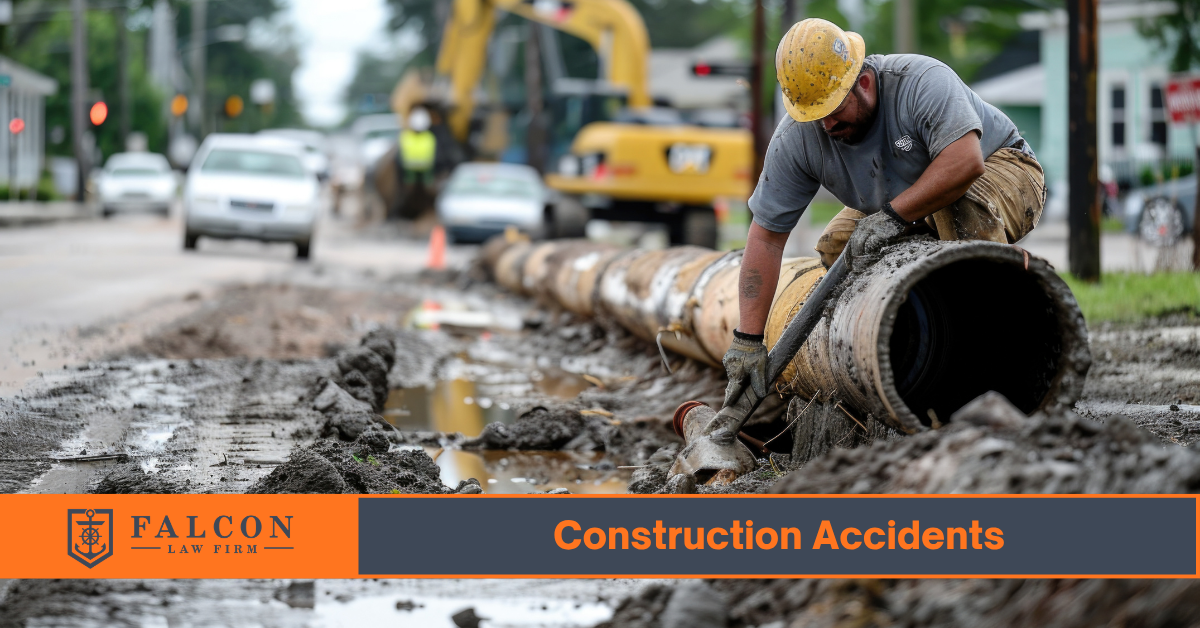
Construction Accidents in Greater New Orleans
Serious Injuries and Workers’ Legal Rights
Construction workers across Greater New Orleans build and maintain the homes, roads, bridges and industrial facilities that South Louisiana depends on. From Jefferson Parish and the West Bank to New Orleans and surrounding communities, it is skilled, physically demanding work.
Construction accidents in Greater New Orleans can have devastating consequences. Falls, heavy equipment accidents, electrocutions and trench collapses can permanently affect a worker’s health, livelihood and family. Understanding common hazards, what to do after an accident and which laws may apply can help injured workers make informed decisions.
The Most Serious Construction Hazards
Jobsite conditions vary widely. A roofer on a Metairie home faces different risks than an ironworker on a downtown high-rise or an equipment operator on a Jefferson Parish roadway project. But most serious accidents trace back to the same hazards.
The Occupational Safety and Health Administration’s Construction Focus Four identifies four major categories: falls, struck-by accidents, electrocutions, and caught-in or caught-between accidents.
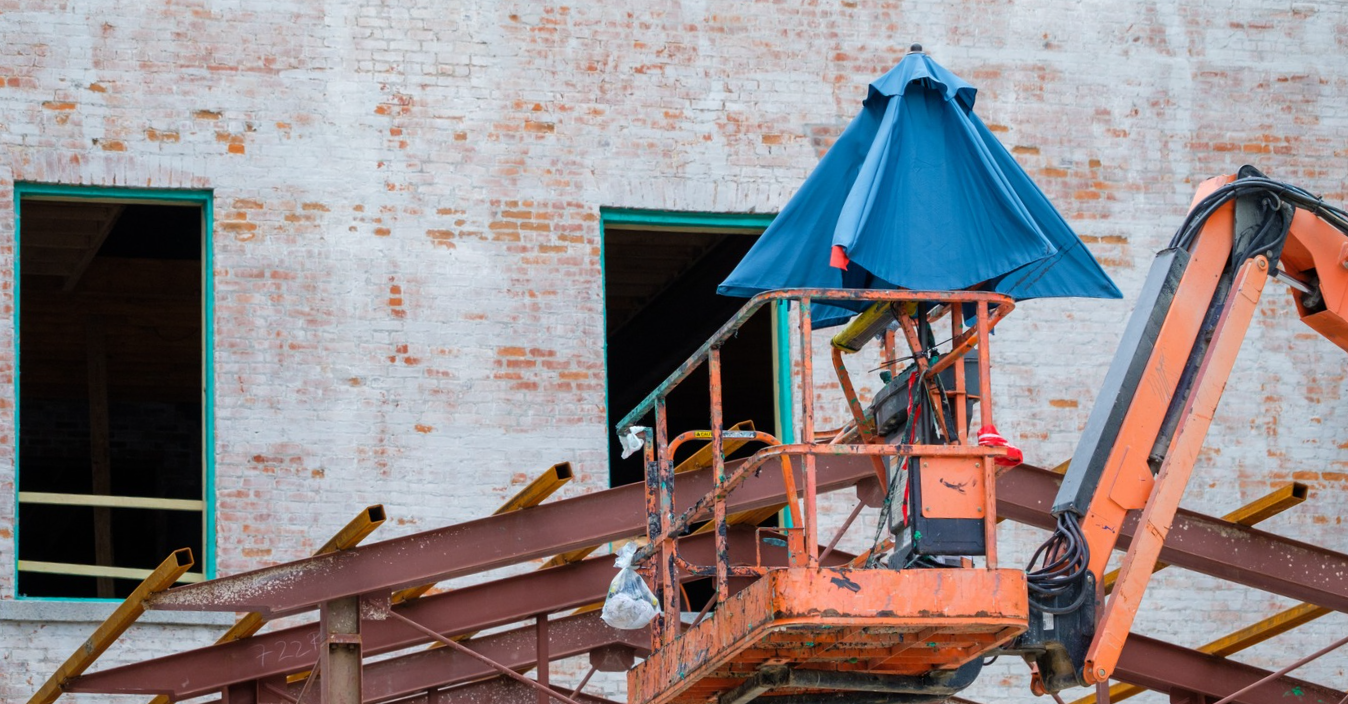
Falls From Scaffolding, Roofs and Elevated Work Areas
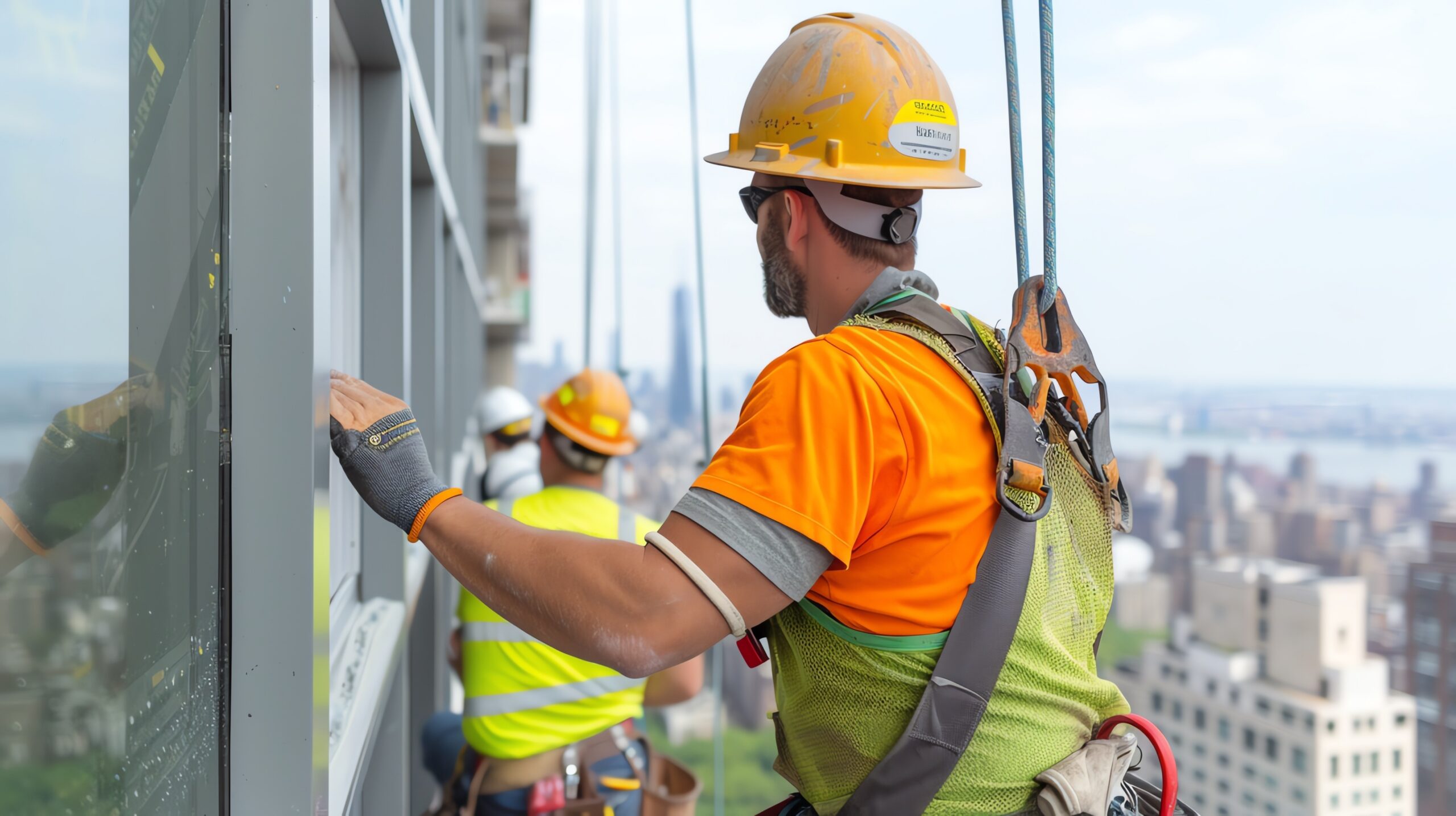
Roofers, ironworkers, scaffold workers and carpenters regularly work from ladders, scaffolding, roofs, aerial lifts and partially completed structures. Serious falls often happen when:
- Scaffolding is improperly assembled or secured
- Fall protection is missing or inadequate
- Floor or roof openings are unguarded
- Ladders are damaged or improperly positioned
- Weather makes elevated surfaces slippery or unstable
Even a fall from a modest height can cause traumatic brain injuries, spinal cord damage or multiple fractures. OSHA’s fall prevention resources explain the role of fall protection systems, safe access, equipment inspections and training.
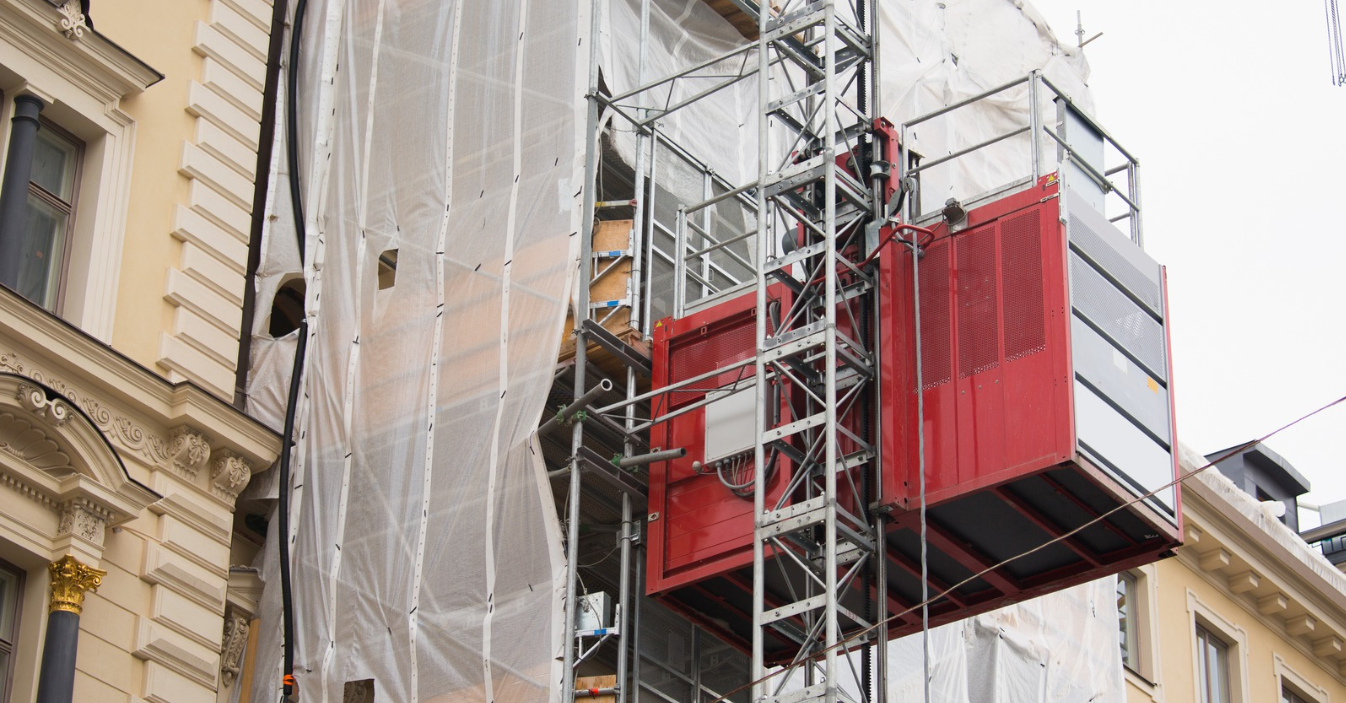
Construction Hoist Accident in Downtown New Orleans
In July 2017, a construction hoist fell at The Standard at South Market project downtown. According to WDSU, eleven workers were aboard, and five were taken to the hospital. Equipment that moves workers between elevations can endanger many people at once, which makes proper installation, inspection and maintenance critical.
Heavy Equipment, Struck-By and Crush Injuries
Excavators, cranes, forklifts and dump trucks often operate close to workers on foot. A momentary equipment failure, blind spot or communication breakdown can cause serious harm. Workers may be injured when:
- Heavy equipment strikes a worker on foot
- A crane drops or shifts a suspended load
- Materials fall from an elevated location
- A worker is pinned between equipment and a fixed structure
- Machinery moves unexpectedly during maintenance
These accidents can cause amputations, internal injuries, spinal cord damage and other crippling injuries.
House Elevation Hazards
Raising homes has been a key part of flood mitigation in Greater New Orleans, and it carries its own dangers. Workers may operate beneath structures supported by temporary beams and hydraulic jacks.
In 2011, a worker was killed on Mercier Street in New Orleans when a house being elevated collapsed on him. According to WDSU, federal investigators found the house had been lifted before appropriate safeguards were in place.
The Hard Rock Hotel Collapse
On October 12, 2019, part of the Hard Rock Hotel under construction on Canal Street collapsed. Three workers were killed and many others were injured. According to the U.S. Department of Labor, OSHA issued citations to the engineering firm, general contractor, steel erector and several subcontractors for alleged violations involving structural integrity, building stability and emergency access.
The collapse shows why investigating a serious construction accident often means examining multiple companies, not just the injured worker’s employer.
Trench Collapses and Excavation Accidents
Utility, drainage and foundation work often requires trenching. A collapse can bury a worker under thousands of pounds of soil in seconds, causing crushing injuries, traumatic asphyxiation or death.
According to OSHA’s trenching guidance, trenches five feet deep or more generally require protective systems such as sloping, shoring, benching or trench shields, and shallower trenches may need protection when hazards exist.
A competent person must inspect excavations and protective systems as required, including after rainstorms or other events that could increase the risk of a cave-in. In South Louisiana’s wet climate, that matters.
Workers should never enter a trench when required protective systems are missing or when conditions indicate a risk of collapse.
What to Do After a Construction Accident in Greater New Orleans
If you can do so safely:
- Report the injury. Notify your employer promptly and keep a copy of the report.
- Get medical care. Describe how the injury happened and all symptoms, even minor ones.
- Document the scene. Photograph equipment, conditions and injuries when it is safe and lawful.
- Get witness names. Coworkers and other contractors may know what happened.
- Keep your paperwork. Save medical records, work restrictions and related messages.
- Write down prior problems. Note any equipment issues or hazards you saw or reported before the accident.
Construction sites change quickly. Equipment gets repaired, scaffolding comes down and work moves on, so early investigation can be important. Learn more on Falcon Law Firm’s Workplace Injury page.
Workers’ Compensation and Third-Party Claims
Louisiana workers’ compensation may provide medical treatment and wage benefits to employees injured on the job. But construction projects usually involve many companies, and a worker employed by one subcontractor may be hurt by equipment or conduct controlled by another.
Other potentially responsible parties may include:
- Another contractor or subcontractor
- A manufacturer of defective equipment
- An outside maintenance company
- A negligent driver
A separate personal injury claim may be available against a responsible third party. However, Louisiana’s statutory-employer rules protect some companies from lawsuits, so the answer depends on the contracts and relationships among the parties.
Serious and Fatal Injuries
Some construction injuries heal. Others, such as spinal cord injuries, traumatic brain injuries, amputations and severe burns, permanently change a worker’s ability to earn a living and live independently.
A permanent spinal injury can affect nearly every part of daily life. Evaluating a serious claim means considering future medical care, rehabilitation and lost earning capacity, not just immediate bills. The compensation available depends on the applicable law and circumstances.
When a construction accident is fatal, surviving family members may be entitled to workers’ compensation death benefits, and a wrongful death claim may be possible when a legally responsible third party contributed to the death.
Frequently Asked Questions
Talk to a Construction Accident Lawyer
Falcon Law Firm has represented injured workers and families throughout Jefferson Parish and Greater New Orleans for more than three decades.
If a construction accident has changed your life or your family’s, contact Falcon Law Firm or call (504) 341-1234 to discuss what happened and your legal options.

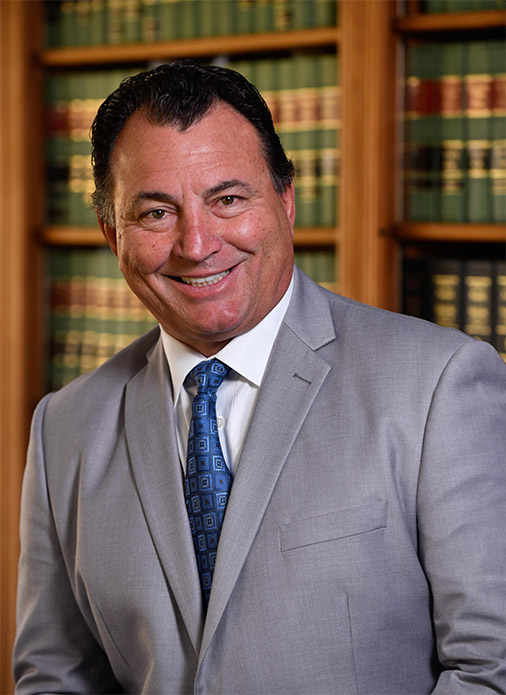
Meet Our Founder - Timothy J. Falcon
Unfortunately, construction accidents in Greater New Orleans happen every day. Timothy J. Falcon and the team at Falcon Law Firm has successfully settled and tried cases that resulted in numerous settlements or judgments over the million dollar mark. In 1994, he successfully argued an important federal maritime case in front of the United States Supreme Court. He possesses years of experience in the field of personal injury, making him an expert when it comes to fighting for the rights of those who have been wronged by corporate entities. You can call Mr. Falcon’s office directly at (504)341-1234. You can also contact us via email at our contact us page.